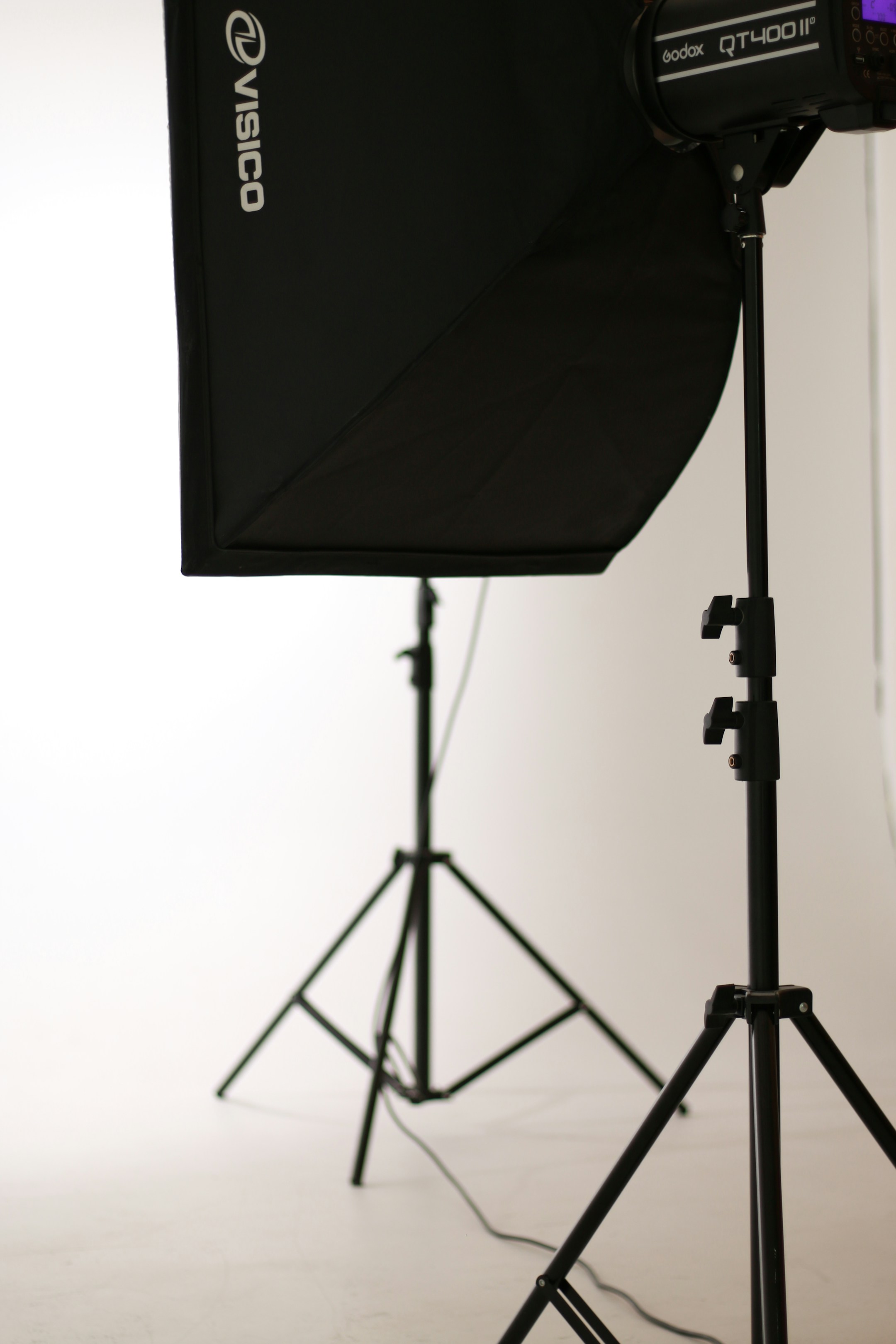
A working photographer's calendar has two shapes. There are shoot days, when the work is in front of the camera. And there are the other days, when the work is in front of an inbox: replying to inquiries, sending contracts, coordinating with venues, delivering galleries, chasing balances. Most photographers say the inbox work is at least as much hours as the shooting work, often more.
This post is what happens when an AI agent handles the inbox layer. The shoot days stay the same; the other days get reclaimed. We will walk through one wedding photographer's week, show what fits and what does not, and address the questions creatives actually ask.
The week, with the agent on
Sunday night, after a Saturday wedding. Three new inquiries hit the inbox during the wedding. The agent has already replied to all three, in the photographer's voice, with the typical flow:
- A two-paragraph intro that matches the inquiry's tone (warm for "we are getting married next October," brisk for "do you do business headshots").
- The relevant package overview as an attached PDF.
- An offer of two consultation times for a 20-minute video call.
By Monday morning two of the three have booked the consultation. The photographer wakes up with the calendar already half-filled.
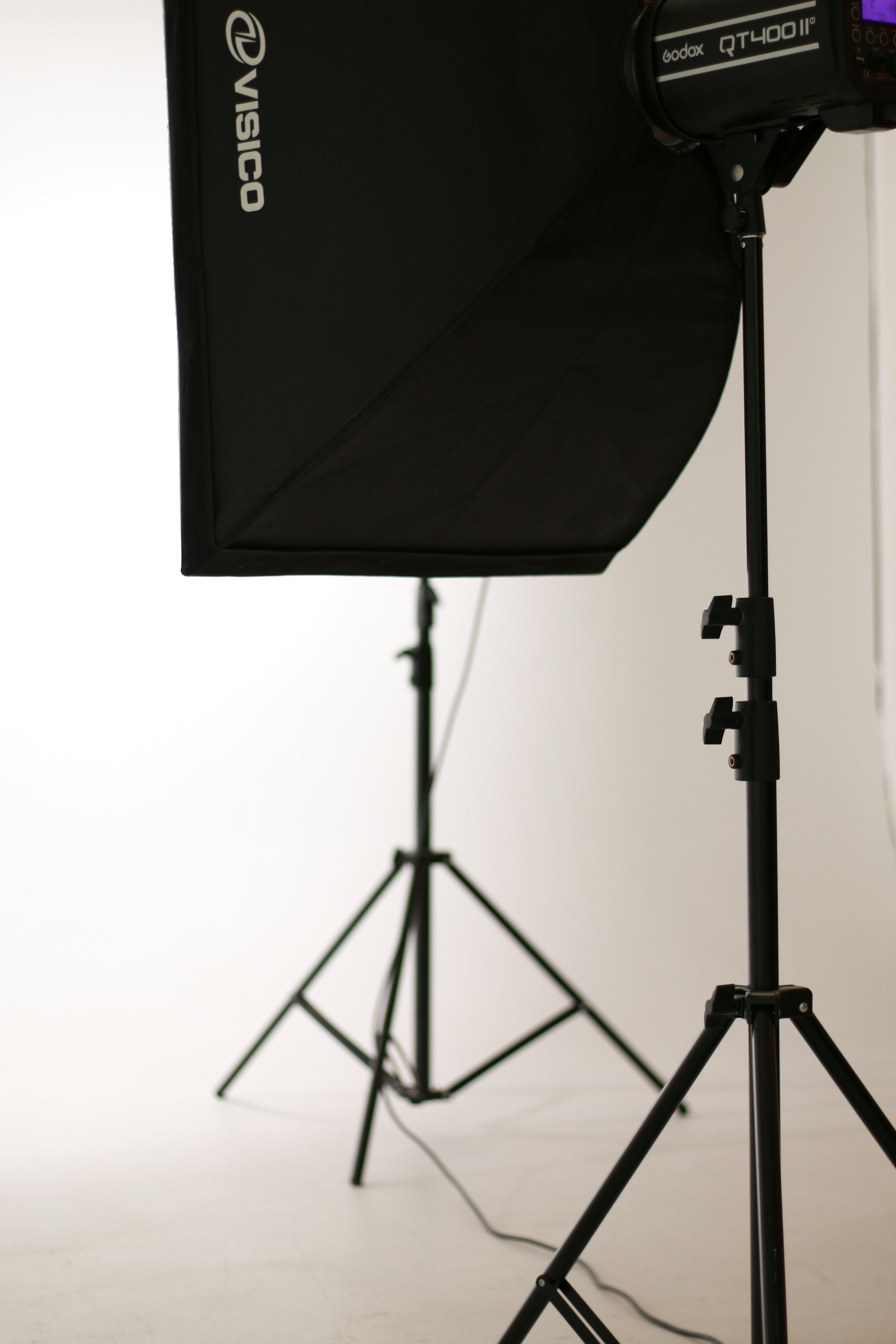
What the agent sends, in the photographer's voice
A representative inquiry response.
Subject: Re: Photography for our October wedding

Hey Sara,

Congratulations! October weddings are some of my favorite (the
light is so good). Looks like you're considering us for the day,
which I really appreciate.

I've attached the full package overview. The short version: I
shoot weddings as a single primary photographer and bring a
second shooter for the ceremony and reception. Coverage is
typically 8 to 10 hours, plus engagement session.

I'd love to set up a 20-minute call so we can talk through your
day. I have Wednesday at 2pm and Thursday at 4pm open this week.
Either work?

Best,
[Photographer]
Note the absence of marketing-speak. The agent uses the photographer's actual writing patterns (short paragraphs, lowercase salutation, specific time slots, signature). The voice clones from the photographer's existing inbox; corrections are easy.
Contracts and signatures
After the consultation, if the booking moves forward, the agent drafts the contract from the photographer's standard template, fills in the wedding-specific details (venue, date, hours, deposit, balance schedule), and sends via DocuSign / HelloSign. The agent watches for the signed return and surfaces it to the photographer when it is in.
The deposit Stripe link is in the same email as the contract. The agent does not chase the deposit; if it is not paid in 7 days, the agent sends a polite "checking in" follow-up. After 14 days it escalates to the photographer with the note that the deposit has not landed.
- 1Inquiry hits inboxAgent replies in photographer's voice within the hour.
- 2Consultation bookedCalendar Slot offered. Confirmation sent.
- 3Post-call follow-upAgent drafts contract + Stripe link.
- 4Signature + depositAgent watches, escalates if delayed.
- 5Pre-shoot check-inOne week out, the agent sends a logistics text.
The post-shoot story
The wedding is Saturday. By Monday, the photographer is back in their inbox. The agent has already done three things:
- Sent the couple a "thank you" text in the photographer's voice with a "we're working on the gallery, it'll be ready in 4-6 weeks" note.
- Reminded the venue and second shooter about the next gig.
- Triggered the gallery delivery sequence (an email to the photographer's editing partner with the raw files queued up).
The photographer's job, post-shoot, is to start culling. The agent's job is to manage the social, contractual, and logistical aftermath.
What about referrals?
Photographer referrals are the lifeblood of the business. The agent runs a quiet referral routine:
- 6 weeks after a wedding (when the gallery has been delivered and the couple is happy), the agent texts the couple a polite "if you know anyone getting married, we'd love a referral" note in the photographer's voice.
- When a referral lands ("Sara recommended you"), the agent flags it to the photographer + sends Sara a thank-you with a small gesture (a print credit, a discount on a future session).
This is not aggressive marketing. It is the kind of follow-through that good photographers do when they remember to and forget when busy. The agent does not forget.

What the agent does not do
The line is bright. The agent does not:
- Pick the photos.
- Edit the photos.
- Make creative decisions about a shoot.
- Handle the in-person consultation (the photographer should still be on those calls).
The agent is the inbox-and-coordination layer. The creative work stays creative. Photographers who try to delegate the consultation to the agent regret it; the consultation is the highest-trust moment in the relationship and is where the photographer's voice has to be live.
- Inquiries reply rate: <50%, with delays of 1-3 days.
- Contract turnaround: 2-5 days.
- Referral follow-through: rarely happens.
- Photographer's calendar full of administrative time, not shoots.
- Inquiries replied within 1 hour, in voice, 100% coverage.
- Contract sent same day as the consultation.
- Referral follow-through automatic at 6 weeks post-wedding.
- Photographer's time goes to shoots and editing.
Frequently asked
Will couples notice they are talking to an AI?
What if a couple replies to the agent's email with a question that needs creative judgment?
Can the agent handle gallery delivery?
What about Instagram / portfolio updates?
Does this work for non-wedding photographers?
Try it
The fastest test: forward yourself a typical inquiry email. Watch the agent's reply land in your real outbox before you would have started typing.




